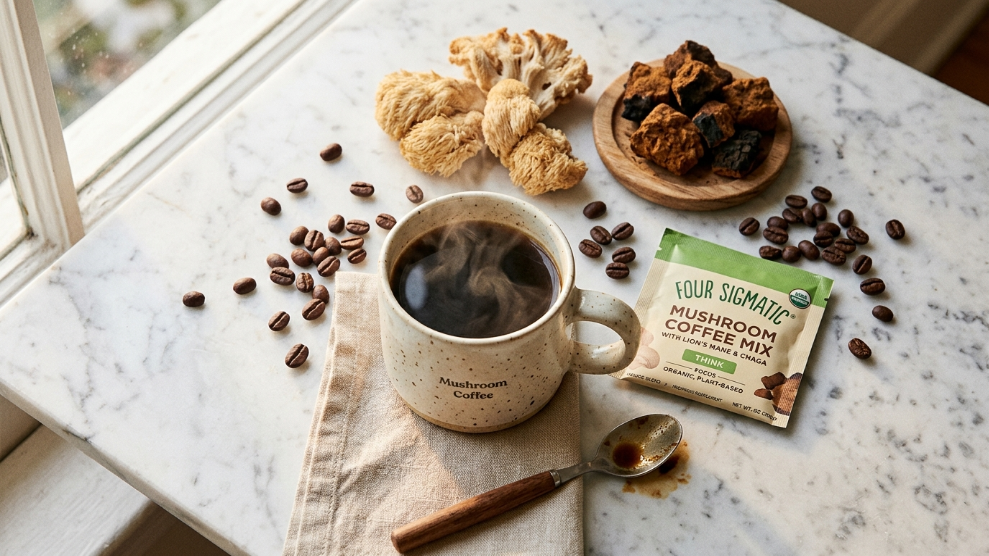
Mushroom coffee is one of the fastest-growing trends in functional beverages. Search interest has tripled in three years. TikTok has served it to millions of feeds. Wellness-focused drinkers have made it a morning ritual. And a growing number of regular coffee drinkers are switching to it specifically because they want less anxiety, fewer afternoon crashes, and something in their cup that does more than just caffeinate.
This guide gives you the complete picture what it actually is, what the mushrooms are claimed to do, what the science currently supports, which brands produce the best products, and who should and should not bother trying it.
Table of Contents
What Is Mushroom Coffee?
Mushroom coffee is not coffee made from mushrooms. It is regular coffee ground beans, espresso, or instant blended with powdered extracts from functional (medicinal) mushroom species. The most commonly used mushrooms are Lion’s Mane, Chaga, Reishi, and Cordyceps.
The resulting drink typically looks like coffee, brews like coffee, and in most quality brands, tastes like coffee. As confirmed by Brew America Coffee’s 2026 review: “Here’s a surprising fact: mushroom coffee doesn’t taste like mushrooms at all. Instead, it delivers a familiar coffee flavour that is often smoother and less bitter.”
The key difference from regular coffee: Most mushroom coffee blends contain significantly less caffeine than standard coffee typically 35 to 50mg per serving versus regular coffee’s 95 to 200mg per cup. This reduced caffeine is achieved by replacing a portion of the coffee with mushroom extract powder, which contains no caffeine.
The Four Functional Mushrooms Explained
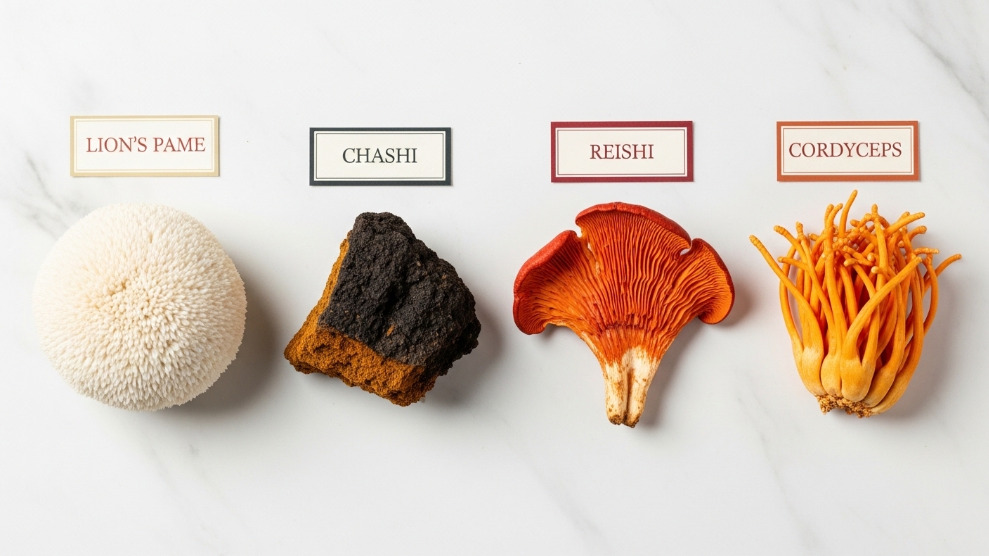
Lion’s Mane (Hericium erinaceus) The most studied functional mushroom for cognitive function. Lion’s Mane contains compounds called hericenones and erinacines that are believed to stimulate Nerve Growth Factor (NGF) a protein involved in the growth and maintenance of neurons. Preliminary research suggests potential benefits for focus, memory, and mild cognitive support. As confirmed by Taste of Home’s dietitian-reviewed mushroom coffee guide: “Lion’s Mane and wildcrafted Chaga mushrooms are known for promoting mental clarity, focus and a smooth, sustained energy boost.” Most mushroom coffee brands feature Lion’s Mane as the primary cognitive ingredient.
Chaga (Inonotus obliquus) A fungus that grows on birch trees in cold climates. Contains the highest known concentration of antioxidants of any food (ORAC score). Primary claimed benefits: immune support, anti-inflammatory effects, antioxidant protection. Chaga’s dark pigmentation (melanin-related compounds) is responsible for the slightly darker colour it imparts to mushroom coffee blends.
Reishi (Ganoderma lucidum) Known as the “mushroom of immortality” in traditional Chinese medicine. Primary benefits claimed: stress reduction (adaptogenic), sleep quality improvement, immune modulation. Reishi is the primary reason some mushroom coffee drinkers report feeling calmer than with regular coffee though the reduced caffeine dose is the most reliably causal factor.
Cordyceps (Cordyceps militaris) Traditionally used for energy and athletic performance. Claimed to increase cellular ATP production (the energy currency of cells). Common in pre-workout formulations. As confirmed by MudReview’s 2026 brand comparison: “These mushrooms provide cognitive benefits, immune support, and sustained energy without the jitters and crashes of regular coffee.
Does Mushroom Coffee Actually Work? The Honest Science
What the evidence currently supports:
The most reliable benefit of mushroom coffee is the one that requires no new scientific claims: lower caffeine produces fewer jitters and crashes. A cup containing 40 to 50mg of caffeine instead of 150 to 200mg will produce a calmer, more sustained energy experience for caffeine-sensitive people. This is not controversial it is caffeine pharmacology.
For the adaptogen benefits specifically, the picture is more nuanced. As confirmed by MudReview’s 2026 review: “Individual responses vary dramatically. What works perfectly for one person may have no effect on another.”
Most clinical studies on Lion’s Mane, Chaga, and Reishi have been conducted with extract doses significantly higher than what appears in a single serving of mushroom coffee. A typical mushroom coffee packet contains 250mg to 500mg of mushroom extract. Studies showing cognitive benefits typically use 3,000mg to 5,000mg daily. Whether the smaller doses in coffee blends produce meaningful effects is an open question.
The honest verdict: Mushroom coffee is worth trying if you are caffeine-sensitive, experience afternoon crashes, or are simply curious about adaptogens. It is not a proven cognitive enhancer at the doses typically found in commercial coffee blends. The lower caffeine content is the most evidence-backed benefit.
Caffeine Content Comparison
| Product | Caffeine per serving | Caffeine source |
|---|---|---|
| Regular drip coffee (8oz) | 95 to 200mg | Coffee beans |
| Espresso (double shot) | 120 to 160mg | Coffee beans |
| Four Sigmatic Think | 50mg | Organic coffee + adaptogens |
| Laird Superfood | 45mg | Coffee + mushroom blend |
| Ryze Mushroom Coffee | 40mg | Arabica + mushroom blend |
| MUD/WTR | 35mg | Masala chai + mushrooms (no coffee) |
| Decaf coffee | 2 to 15mg | Coffee beans (decaffeinated) |
Best Mushroom Coffee Brands 2026 Ranked
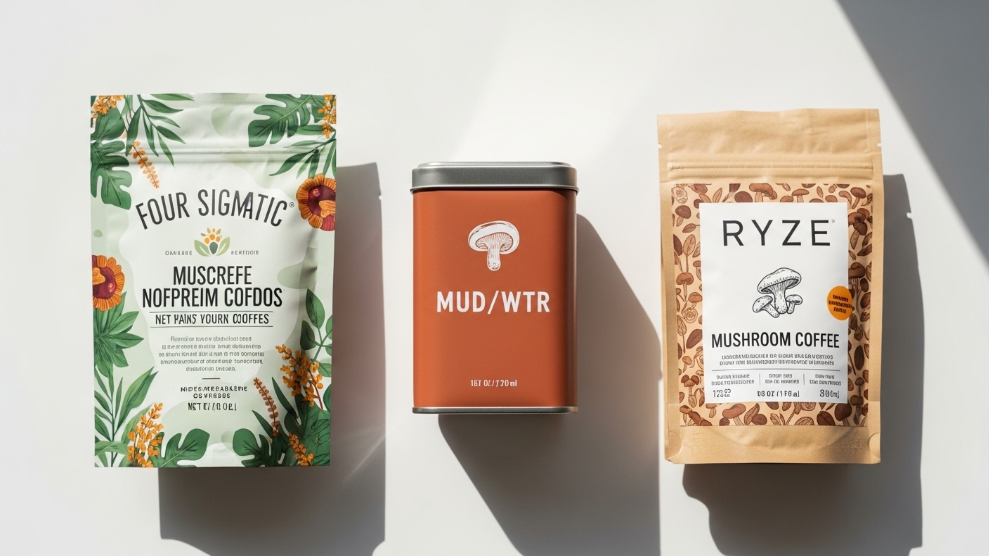
1. Four Sigmatic Best for Coffee Drinkers Who Want to Stay Close to Regular Coffee
Price: approximately $15 for 10 packets; $40 for 30 packets; whole bean bags also available
Buy: foursigmatic.com | Amazon Four Sigmatic
As confirmed by ThirstyBear’s 2026 mushroom coffee rankings: “Four Sigmatic remains our top overall recommendation for most users due to its consistent quality, transparent sourcing, and proven track record.”
Key features:
- USDA Organic, third-party tested for mold and mycotoxins
- Lion’s Mane + Chaga as primary mushroom ingredients
- Taste: earthy, bold, closer to regular coffee than any competitor 3.8/5 in MudReview blind tests
- Available as: instant packets, ground coffee, whole beans, and pods
- 50mg caffeine per serving
As confirmed by The Daily Beast’s review: “Four Sigmatic’s adaptogenic blends seem to reduce side effects I usually get when drinking caffeine: shakiness, anxiety, and upset stomach. Four Sigmatic guarantees you will see increased focus within seven days, or they’ll give you your money back.”
Honest limitation: As confirmed by Thingtesting’s aggregated buyer reviews: some users report “weak flavour, gritty/clumpy mixing, and no noticeable functional effects.” The instant format can clump if not mixed with very hot water. The whole bean and ground options produce a more consistent coffee-like experience.
2. MUD/WTR Best Taste, Least Like Coffee
Price: approximately $40/month subscription; starter kit available
Buy: mud.wtr | Check for current discount offers
As confirmed by MudReview’s 2026 taste tests: “MUD/WTR scored highest (4.5/5) with its smooth, chai-like flavour.” MUD/WTR is not technically coffee at all it uses masala chai as its base with Lion’s Mane, Chaga, Reishi, Cordyceps, cinnamon, turmeric, and sea salt. The result is a warming, spiced beverage at 35mg caffeine.
Who MUD/WTR is for: Buyers who want the functional mushroom benefits without coffee at all, who enjoy chai or spiced drinks, and who are specifically trying to significantly reduce caffeine intake.
Who MUD/WTR is NOT for: Buyers who want the taste and ritual of coffee MUD/WTR tastes nothing like coffee. It is a different beverage category.
3. Ryze Mushroom Coffee Best Value
Price: approximately $30 per 30 servings ($1 per cup)
Buy: ryze.com
As confirmed by MudReview’s 2026 tests: “Ryze has 40mg caffeine and a mild, creamy flavour profile 3.5/5 in taste tests.” Ryze blends organic Arabica coffee with six mushroom varieties and MCT oil powder, producing a naturally creamy texture without added dairy.
Best for: Value-conscious buyers who want mushroom coffee at the lowest cost per serving without compromising on mushroom variety.
4. Everyday Dose Best for Focus
Price: approximately $40/month
Buy: everydaydose.com
As confirmed by ThirstyBear 2026: “Everyday Dose’s focus formulation with L-theanine and collagen makes it a standout choice for cognitive enhancement specifically.” The addition of L-theanine (an amino acid found in green tea that promotes calm focus without sedation) alongside Lion’s Mane makes this the most specifically cognitive-focused product in the category.
| Brand | Taste score | Caffeine | Price/serving | Best for |
|---|---|---|---|---|
| Four Sigmatic | 3.8/5 | 50mg | ~$1.33 | Coffee drinkers wanting to stay close to regular coffee |
| MUD/WTR | 4.5/5 | 35mg | ~$1.33 | Best taste chai drinkers, non-coffee format |
| Ryze | 3.5/5 | 40mg | ~$1.00 | Best value per serving |
| Everyday Dose | N/A | N/A | ~$1.33 | Best for cognitive focus (L-theanine + collagen) |
What Does Mushroom Coffee Taste Like?
The most common concern from first-time buyers: will it taste like actual mushrooms? The answer for quality brands is no.
As confirmed by Taste of Home’s March 2026 tested review: “I hate mushrooms. But in the quest for a better morning brew, I was willing to put my prejudice aside. After opening the bag, I took a nice, long whiff it smelled like coffee. It tasted like coffee.” This experience is echoed across most Four Sigmatic and Ryze reviews.
The mushroom content does add a subtle earthy undertone, which is why some reviews describe the flavour as “bold,” “earthy,” or “slightly bitter. This is most noticeable in instant formats and less so in ground or whole bean formats where the coffee flavour is stronger.
Preparation tip: As confirmed by ThirstyBear’s guide: “Ground mushroom coffee brewed with a French press or pour-over often produces a smoother, more complex flavour compared to drip brewing. Adding creamer, plant milk, or natural sweeteners improves the experience for most users.”
Side Effects and Who Should Avoid It
Possible side effects:
- Mild stomach discomfort (especially Chaga high in oxalates; limit intake if you have kidney stones or kidney issues)
- Caffeine sensitivity reactions (though significantly reduced compared to regular coffee)
- Mushroom allergy reactions anyone allergic to mushrooms should avoid all mushroom coffee products
Drug interactions: Reishi and Chaga may interact with blood thinners and diabetes medications. Consult a doctor before using if you are on anticoagulant medications.
Who should avoid mushroom coffee:
- Anyone with a mushroom allergy
- Anyone on blood-thinning medication (Chaga, Reishi have mild anticoagulant properties)
- People with kidney conditions (Chaga is high in oxalates)
- Pregnant or breastfeeding women insufficient safety data for functional mushroom extracts during pregnancy
Mushroom Coffee vs Regular Coffee: The Bottom Line
| Factor | Mushroom coffee | Regular coffee |
|---|---|---|
| Caffeine | 35 to 50mg | 95 to 200mg |
| Jitters and crashes | Significantly reduced | Common with sensitive users |
| Flavour quality | Good to earthy | Full coffee flavour |
| Price per cup | $1.00 to $1.50 | $0.20 to $2.00 depending on beans |
| Functional benefits | Claimed: focus, immunity, stress reduction promising but not fully proven at these doses | Proven antioxidant content, well-researched health benefits at regular doses |
| Availability | Online primarily; Whole Foods, health stores | Everywhere |
Frequently Asked Questions
Does mushroom coffee taste like mushrooms? No not in quality brands. As confirmed across multiple 2026 tested reviews, Four Sigmatic and Ryze taste primarily like coffee with a subtle earthy undertone. MUD/WTR tastes like spiced chai, not mushrooms. The earthy notes are more noticeable in instant formats and less so in brewed ground or whole bean options.
Is mushroom coffee better than regular coffee? Neither is objectively better they serve different needs. Regular specialty coffee produces better flavour at most price points. Mushroom coffee is better for caffeine-sensitive drinkers who want reduced jitters and crashes, or buyers who want to experiment with functional adaptogens. As confirmed by ThirstyBear 2026: “The reality is that individual responses vary dramatically.”
Does Four Sigmatic mushroom coffee actually work? The reduced caffeine effect is reliable and consistent less caffeine produces fewer jitters. The adaptogen benefits (Lion’s Mane for focus, Chaga for immunity) are supported by preliminary research but not at the doses typically found in coffee blend servings. As confirmed by Brew America Coffee 2026: “It gave a calm boost without the typical caffeine spike.” Four Sigmatic offers a 7-day money-back guarantee if you do not notice improved focus.
How much caffeine is in mushroom coffee? Varies by brand: MUD/WTR 35mg, Ryze 40mg, Laird Superfood 45mg, Four Sigmatic 50mg. All significantly less than regular coffee (95 to 200mg per cup). This reduced caffeine is the primary mechanical reason why mushroom coffee drinkers report fewer jitters and crashes.
Is mushroom coffee safe? Yes for most healthy adults. Side effects are rare and mild most commonly minor stomach discomfort with Chaga-containing products. People with mushroom allergies, kidney conditions, or who take blood-thinning medications should avoid it or consult a doctor first.
Can I drink mushroom coffee every day? Yes most users drink it as a daily coffee replacement. The adaptogens in mushroom coffee are generally considered safe for daily use at commercial blend doses. As with any supplement category, rotating brands and taking occasional breaks is the general functional wellness recommendation.
For the full decaf coffee guide if you want to reduce caffeine further: Decaf Coffee Guide
For coffee and anxiety explored in depth: Coffee and Anxiety: What the Science Says
Sources used in this article: ThirstyBear 8 Best Mushroom Coffee Brands Ranked 2026 MudReview Best Mushroom Coffee Reviews and Rankings 2026 Taste of Home Best Mushroom Coffee Brands (Dietitian Tested) 2026 Taste of Home Four Sigmatic Mushroom Coffee Review March 2026 Brew America Coffee Four Sigmatic Mushroom Coffee Review 2026 Thingtesting Four Sigmatic Verified Buyer Reviews 2026 The Daily Beast Four Sigmatic Mushroom Coffee Review

Munir Ahmed is the founder of Coffee Craft Guide, dedicated to building the most thorough and honest coffee resource for home brewers worldwide. Combining SCA brewing standards with deep-dive research across global coffee communities (like r/espresso and Home-Barista) and thousands of verified reviews, Munir and his team deliver data-backed, expert coffee insights you can trust.