
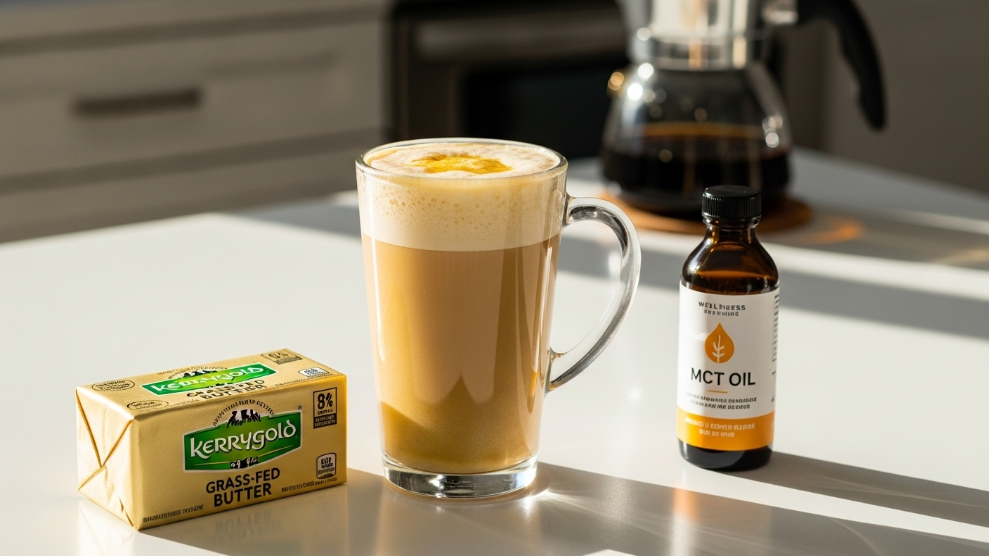
Bulletproof coffee has been one of the most debated beverages in the wellness world since entrepreneur Dave Asprey introduced it in 2011. Millions drink it daily as a breakfast replacement. Biohackers swear by it. Registered dietitians raise eyebrows at it. The internet is full of testimonials and equally full of takedowns.
This guide cuts through both the hype and the dismissal. You will get the verified recipe, the honest science, the calorie reality most promoters conveniently omit, and a clear picture of who this drink genuinely helps and who it does not.
What Is Bulletproof Coffee?
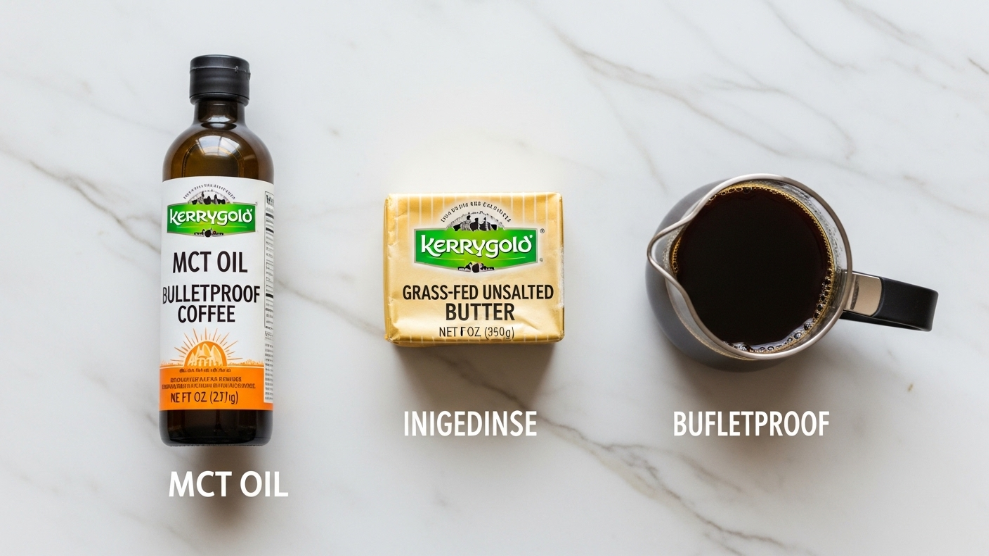
Bulletproof coffee is hot coffee blended with two specific fats:
- Unsalted grass-fed butter (or ghee)
- MCT oil (medium-chain triglyceride oil, derived from coconut oil)
When blended in a high-speed blender for 20 to 30 seconds, the fat emulsifies with the coffee and creates a thick, frothy, latte-like drink. As confirmed by Warrior Addict’s recipe guide: “Bulletproof coffee is a high-performance coffee drink that combines freshly brewed coffee with grass-fed butter and MCT oil to create a creamy, frothy beverage designed to boost energy, enhance mental clarity, and support sustained focus.”
The name “Bulletproof” comes from the brand created by Dave Asprey Silicon Valley entrepreneur, biohacker, and author of The Bulletproof Diet. Asprey claims to have discovered the concept while trekking in Tibet and drinking yak butter tea. He adapted it for Western coffee culture and built a business around it.
What it is not: Bulletproof coffee is not a Bulletproof brand exclusive. The concept fat-blended coffee can be made at home with any quality coffee, any grass-fed unsalted butter, and any MCT oil. You do not need to buy Bulletproof-branded products.
The Official Recipe
As confirmed directly by bulletproof.com’s recipe page:
Ingredients (1 serving):
- 1 cup (8 to 12oz) freshly brewed hot coffee use quality beans, ideally coarsely ground and brewed via French press or pour-over
- 1 to 2 tablespoons unsalted grass-fed butter or ghee
- 1 to 2 tablespoons MCT oil (Bulletproof recommends Brain Octane C8 MCT Oil)
Method:
- Brew coffee by your preferred method
- Add hot coffee, butter, and MCT oil to a full-size blender
- Blend on high for 20 to 30 seconds until the mixture is frothy and resembles a creamy latte
- Pour into a large mug and drink immediately the drink separates if left to sit
If you do not own a blender: As confirmed by Bulletproof’s own site: “Add all contents to a large mug and use a milk frother until the concoction is mixed and creamy.” A handheld frother works the result is slightly less frothy but functionally equivalent.
The Three Ingredients: What Each One Does
1. Coffee
The caffeine source and flavour base. Asprey recommends low-mycotoxin specialty beans based on his claim that mycotoxins (mould compounds sometimes found in poorly stored or processed coffee) are responsible for common coffee side effects including jitters, brain fog, and stomach issues.
The honest assessment of this claim: As confirmed by Cooked and Loved’s guide: “According to Asprey, negative side effects are caused by mycotoxins. To avoid this, use good quality coffee.” However, mycotoxin levels in commercially sold specialty coffee are already very low due to industry quality control far below levels that cause physiological effects. The “mycotoxin-free” marketing is not meaningless, but the premium for Bulletproof brand beans is not necessary. Any fresh, quality specialty coffee works.
What actually works: High-quality, freshly roasted coffee. A bag from any reputable specialty roaster (Atlas Coffee Club, Trade Coffee, Volcanica) produces an equivalent or better base than Bulletproof-branded beans at a significantly lower cost.
2. Grass-Fed Butter or Ghee
Grass-fed butter differs from regular butter primarily in its fatty acid profile. As confirmed by Cleveland Clinic’s dietitian assessment: “Grass-fed butter does contain some healthy omega-3s. Grass-fed butter and ghee are high in omega-3 fatty acids, which are known to help battle inflammation and reduce joint pain.”
Nutritional content of grass-fed butter (per tablespoon):
- 102 calories
- 11.5g fat (7.3g saturated)
- Vitamin A, Vitamin K2
- Conjugated linoleic acid (CLA) small amounts
Ghee vs butter: Ghee is clarified butter with milk solids removed essentially anhydrous butterfat. It has a higher smoke point than butter, a richer flavour, and is appropriate for lactose-intolerant people who react to butter’s milk protein content.
The satiety mechanism: Fat slows gastric emptying, which also slows caffeine absorption. This is why bulletproof coffee drinkers report a longer, smoother energy curve compared to black coffee the caffeine enters the bloodstream more gradually.
3. MCT Oil
MCT stands for medium-chain triglycerides a specific type of saturated fat derived primarily from coconut oil. As confirmed by Bulletproof’s own explanation: “MCTs go straight to the liver for immediate energy. MCT oil can offer a readily available source of energy for your body and brain.”
How MCTs differ from regular fat: Long-chain triglycerides (the fat in most foods) are absorbed through the lymphatic system before reaching the bloodstream. MCTs bypass this route and go directly to the liver, where they are rapidly converted to energy or ketone bodies making them faster-acting than regular dietary fat.
C8 vs standard MCT oil: Bulletproof specifically markets “Brain Octane C8 MCT oil,” which contains only caprylic acid (C8 chain length) rather than the mixed C8/C10/C12 chains in standard MCT oil. C8 converts to ketones most efficiently. Standard MCT oil from Amazon works well and costs significantly less.
Starting dose: As confirmed across multiple sources: “If you’re new to MCT oil, start with just 1 teaspoon and gradually increase to avoid digestive discomfort.” MCT oil causes loose stools and stomach cramps in many people when introduced at 1 to 2 tablespoons immediately. Build up over 1 to 2 weeks.
Does Bulletproof Coffee Actually Work? The Honest Science
This is the most important section of this guide and the one most bulletproof coffee promoters prefer you skip.
The peer-reviewed evidence:
As confirmed by a 2023 study published in MDPI’s peer-reviewed Beverages journal: “In conclusion, although Bulletproof Coffee remains a popular choice for many, current scientific evidence does not support the claimed benefits.”
The same study cites a controlled double-blind trial (Baumeister et al.) in which participants consumed MCT oil blends with and without caffeine over ten sessions: “The ingestion of the test solutions did not result in increased energy or activity.”
More specifically from MDPI’s assessment: “More than half of 210 American college student survey respondents believed the beverage promotes fat loss, enhances concentration, decreases stress levels, and increases energy.” Belief is widespread. Evidence-based support is not.
What is supported by individual ingredient science:
Caffeine works. As confirmed by Insider’s assessment: “Coffee itself is one of the most well-studied performance-enhancing substances, with documented benefits for both mental and physical health in moderate doses.” The caffeine in bulletproof coffee is the most reliably active ingredient.
MCTs do raise ketones. For people on a ketogenic diet, adding MCTs does raise blood ketone levels and provides a brain-available energy substrate. This mechanism is real whether the magnitude is sufficient to produce noticeable cognitive effects at typical doses is disputed.
Fat slows caffeine absorption. The gradual caffeine release from high-fat content is a legitimate mechanism for reducing jitter frequency not unique to bulletproof coffee, but consistent with general pharmacokinetics of fat-slowed gastric absorption.
The honest verdict: Bulletproof coffee is an interesting combination of legitimate individual ingredients that has not demonstrated superior effects compared to regular coffee plus a quality breakfast in controlled trials. Many people find it genuinely useful particularly for keto and intermittent fasting but the specific health claims made by Dave Asprey and the Bulletproof brand exceed what the current evidence supports.
The Calorie Reality
| Ingredient | Amount | Calories | Fat |
|---|---|---|---|
| Black coffee | 8oz | ~5 kcal | 0g |
| Grass-fed butter | 2 tbsp | ~204 kcal | 23g (14.6g saturated) |
| MCT oil | 2 tbsp | ~230 kcal | 28g |
| Total bulletproof coffee | 1 serving | ~440 kcal | 51g fat |
| For reference: eggs on toast | 2 eggs + 2 toast | ~350 kcal | ~14g fat + protein + fibre |
A full bulletproof coffee made per the standard recipe contains approximately 440 calories similar caloric density to a full breakfast, but with virtually no protein, fibre, or micronutrients beyond what fat provides.
As confirmed by Healthline’s dietitian assessment: “If you eat three meals per day, replacing breakfast with Bulletproof coffee will likely reduce your total nutrient intake by about one-third.” And from Cleveland Clinic’s registered dietitian: “Butter, oil and coffee, even when combined together, do not meet the standards of a well-balanced breakfast. It’s important to have more nutrients, like protein and fibre.”
The context where calories work: On a ketogenic diet, this calorie profile is appropriate you are intentionally eating high fat, low carbohydrate, and using fat as primary fuel. Bulletproof coffee as a breakfast replacement makes structural sense within a strict keto framework. Outside of keto, consuming 440 calories of primarily saturated fat with no protein or fibre is nutritionally sub-optimal.
DIY vs Bulletproof Brand Products: What to Actually Buy
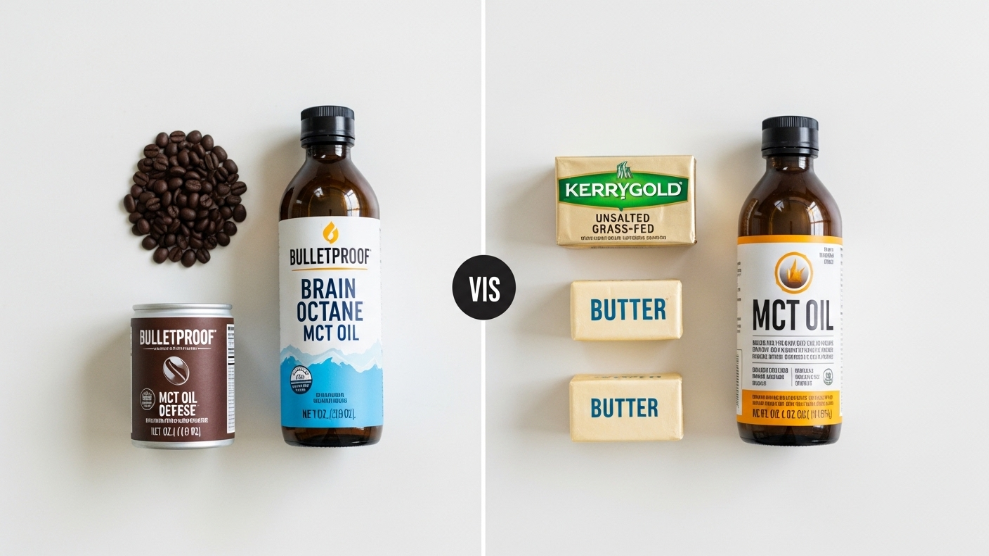
You do not need to buy Bulletproof-branded products to make bulletproof coffee. The branded products are premium-priced with legitimate quality claims but widely available equivalents produce the same functional result:
| Ingredient | Bulletproof brand | DIY equivalent | Saving |
|---|---|---|---|
| Coffee beans | Bulletproof Upgraded Beans ~$19/12oz | Any fresh specialty roast: ~$14 to $18/12oz | ~$5/bag |
| Butter | Bulletproof Ghee ~$24/13.5oz | Kerrygold Unsalted (grass-fed): ~$5 to $7/8oz at most supermarkets | ~$17 |
| MCT oil | Brain Octane C8 ~$49/32oz | Sports Research or NOW Foods MCT oil: ~$20 to $25/32oz on Amazon | ~$24 |
Kerrygold butter is the most widely recommended grass-fed butter for bulletproof coffee. Available at most major supermarkets in the US and UK (in UK/Ireland as Kerrygold or own-brand Irish grass-fed). It is the practical choice for most buyers.
Best MCT oil for the price: Sports Research MCT Oil or NOW Foods MCT Oil on Amazon both are C8/C10 blends and cost approximately half the Bulletproof brand price. Pure C8 oil (like Bulletproof’s Brain Octane) does produce ketones slightly faster if ketone optimisation is specifically your goal, C8 is worth the premium. Otherwise, standard MCT oil is fine.
Who Should and Should Not Drink Bulletproof Coffee
Side Effects to Know
MCT oil digestive effects: The most common issue with bulletproof coffee for first-time drinkers. As confirmed across multiple sources: MCT oil at 1 to 2 tablespoon doses causes loose stools, stomach cramps, and nausea in many people. The solution is a gradual introduction start with 1 teaspoon and increase by 1 teaspoon every 3 to 4 days until you reach the target dose.
Cholesterol impact: Bulletproof coffee is very high in saturated fat. For individuals who are LDL-sensitive (where saturated fat raises blood LDL cholesterol), regular bulletproof coffee consumption may raise LDL levels. As confirmed by Healthline: “Bulletproof coffee is very high in saturated fat. While the health effects of saturated fats are controversial, many health professionals believe that high intake is a major risk factor for several diseases.”
Caloric displacement: If you replace a balanced breakfast with bulletproof coffee, you eliminate protein, fibre, and multiple micronutrients from your daily intake. This is the most significant nutritional concern for non-keto drinkers.
Frequently Asked Questions
What does bulletproof coffee taste like? Rich, creamy, and full-bodied similar to a buttery latte. The fat emulsification creates a foamy texture that mellows the bitterness of the coffee. When made correctly in a blender, it resembles a commercial latte more than a cup of black coffee. The butter flavour is present but not overwhelming, especially when using good quality grass-fed butter.
Can bulletproof coffee break a fast? This is debated in the intermittent fasting community. Strict fasting definitions say yes any caloric intake breaks a fast. The bulletproof coffee position is that the fat-only calories produce a minimal insulin response and therefore preserve many of the fasting benefits. Whether this is correct depends on your specific fasting goals. For autophagy-focused fasting: bulletproof coffee likely breaks it. For insulin management-focused fasting: the impact is minimal and debated.
Can I make bulletproof coffee without a blender? Yes use a handheld milk frother in a large deep mug. The result is slightly less frothy than blended but fully functional. Vigorous stirring alone does not work the fat and coffee separate immediately without mechanical emulsification. A frother is the minimum required equipment.
Do I need Bulletproof brand products? No. The concept works with any quality coffee, Kerrygold unsalted grass-fed butter (available at most supermarkets for $5 to $7), and any MCT oil from Amazon. The branded products are good quality but significantly more expensive. The functional result is equivalent with supermarket ingredients.
Is bulletproof coffee good for weight loss? The evidence is mixed. As confirmed by Insider’s science review: “Research suggests it can boost metabolism and regulate appetite and insulin levels, but there’s no evidence it’s better than regular coffee and a good breakfast.” Within a ketogenic diet framework, where fat is the primary fuel source, bulletproof coffee supports the dietary approach. Outside of keto, consuming 440 calories of fat without replacing an equivalent caloric intake elsewhere will not reduce total daily calorie consumption.
What is the difference between bulletproof coffee and regular coffee with butter? The blending step is the defining difference. Adding a tablespoon of butter to coffee and stirring produces a greasy, separated drink that coats your palate. Blending for 20 to 30 seconds emulsifies the fat into a stable, creamy suspension a fundamentally different texture and drinking experience. The blender is not optional for the intended result.
For the full coffee and intermittent fasting guide: Coffee and Intermittent Fasting
For the coffee and anxiety comparison: Coffee and Anxiety: What the Science Says
For the mushroom coffee comparison: Mushroom Coffee: Complete Guide 2026
Sources used in this article: Bulletproof.com Official Bulletproof Coffee Recipe MDPI Beverages Journal Assessing the Validity of Bulletproof Coffee’s Claims (peer-reviewed) Healthline 3 Potential Downsides of Bulletproof Coffee Cleveland Clinic Why Bulletproof Coffee Shouldn’t Be an Everyday Drink Insider / AOL People Swear by Bulletproof Coffee Here’s the Reality Warrior Addict Bulletproof Coffee Recipe, Benefits and Guide Cooked and Loved Homemade Bulletproof Coffee and Benefits

Munir Ahmed is the founder of Coffee Craft Guide, dedicated to building the most thorough and honest coffee resource for home brewers worldwide. Combining SCA brewing standards with deep-dive research across global coffee communities (like r/espresso and Home-Barista) and thousands of verified reviews, Munir and his team deliver data-backed, expert coffee insights you can trust.