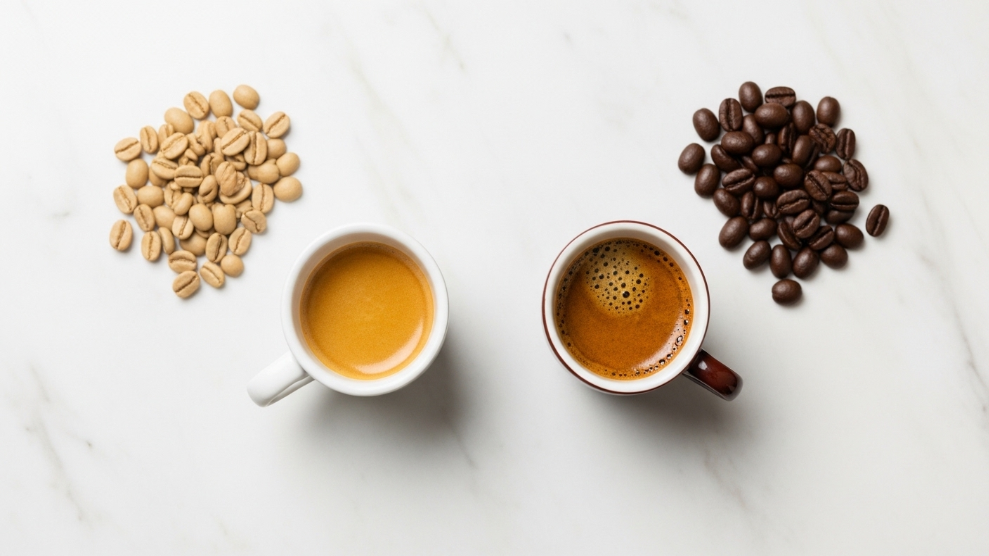
The espresso roast debate divides coffee drinkers more than almost any other topic. Ask a traditional Italian barista and they will tell you dark roast is the only correct choice. Ask a Melbourne specialty barista or a London third-wave shop and they will look puzzled by the question medium to light roast is the only option they consider.
Both are right for their tradition. Both are wrong for the other’s context. Understanding why resolves the confusion and tells you which roast is right for your machine, your palate, and your daily drink.
Table of Contents
The Cultural Dimension Most Articles Miss
The “correct” espresso roast is not a technical fact it is a cultural preference that varies by tradition:
Italian espresso tradition (pre-1990s): Dark roast, specifically developed for the high-pressure espresso machines of 20th-century Italy. The dark roast standardised quality across variable green coffee lots, produced the thick persistent crema that became espresso’s defining visual, and delivered the bold, low-acid, roasted-nut character that Italians associate with a correct “caffe.”
Australian and UK specialty tradition (2000s onward): Medium to light roast, driven by the third-wave principle that the bean’s origin character should be the primary flavour in the cup not the roast flavour. As confirmed by what is specialty coffee and what is third wave coffee, this movement has reshaped the global specialty segment.
Neither tradition is objectively wrong. They are different answers to the question of what espresso should taste like.
What Roast Level Changes in the Cup
| Characteristic | Light roast espresso | Medium-dark roast espresso | Dark roast espresso |
|---|---|---|---|
| Dominant flavour | Fruit, floral, bright acidity | Caramel, chocolate, balanced | Roasted, nutty, bold, very low acidity |
| Crema colour and quantity | Pale golden, less volume | Golden-brown, good volume | Dark brown, abundant volume |
| Acidity | High reads as brightness when correctly extracted | Medium balanced | Low bold, sometimes bitter |
| Extraction difficulty | High very sensitive to grind and temperature | Medium forgiving, recommended for home baristas | Low most forgiving extraction window |
| Ideal brew temperature | 94 to 96°C higher end | 92 to 94°C standard | 88 to 92°C lower end |
| Ideal grind relative to medium | Finer 2 to 4 clicks finer | Standard espresso grind | Slightly coarser 1 to 2 clicks coarser |
| Target extraction time | 28 to 32 seconds | 25 to 30 seconds | 23 to 28 seconds |
| Best for black espresso | Excellent origin notes shine | Excellent versatile | Good traditional style |
| Best for flat white or latte | Works but can turn sour if under-extracted | Best chocolate/caramel cuts through milk | Good bold enough for larger milk drinks |
| Associated tradition | Third-wave specialty (Melbourne, London, Nordic, NYC) | Contemporary Australian and global specialty | Italian espresso tradition, classic |
Dark Roast Espresso: The Case For
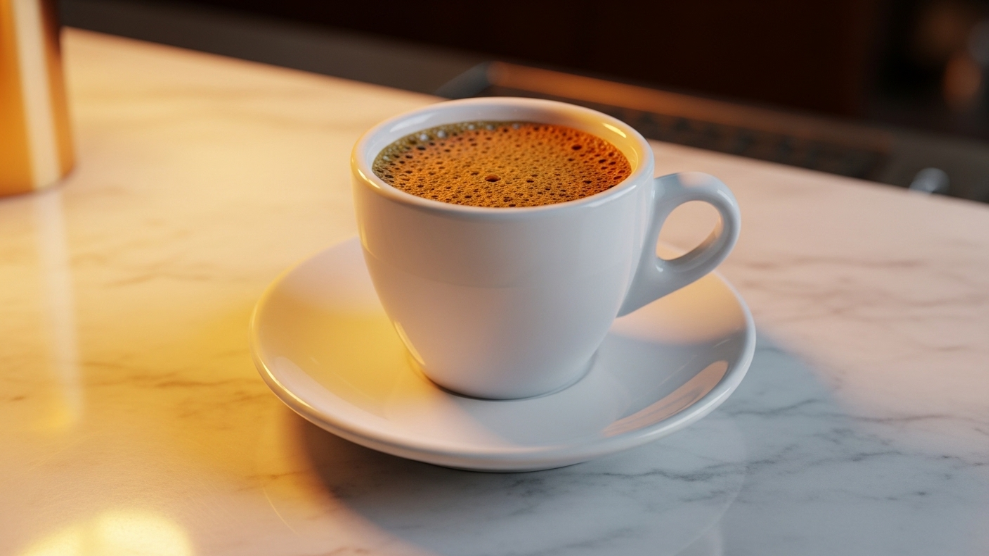
Dark roast for espresso was not an accident or a historical mistake. It was an engineered solution to specific problems:
1. Forgiveness in extraction: Dark roasted beans are more soluble they extract more easily across a wider range of grind sizes, water temperatures, and machine pressures. A slightly imprecise grind or 2°C temperature variation matters significantly less in a dark roast shot than a light roast shot. This is why Nespresso, Keurig, pod machines, and commercial venues default to dark roast consistency across variable conditions and operator skill levels.
2. Crema production: The CO2 released during roasting (and stored in the bean) is more abundant in darker roasts and produces the thick, persistent crema that traditional espresso culture values aesthetically. Light roast shots produce thinner, paler crema technically acceptable but visually different from the classic espresso image.
3. Milk drink compatibility: Dark roast espresso’s bold character withstands large volumes of milk better than lighter roasts. A double shot of dark espresso in a 250ml latte remains present and identifiable. A light roast double shot in the same volume can become barely detectable.
4. Low acidity: Dark roasting breaks down the chlorogenic acids responsible for coffee’s brightness. Dark roast espresso has lower measured acidity more appropriate for drinkers with sensitive stomachs or acid concerns.
Light to Medium Roast Espresso: The Case For

The modern specialty coffee movement’s preference for lighter roast espresso is not contrarianism it is a response to a specific problem: when you roast coffee dark, the roast flavour dominates and the origin character of the bean disappears.
A Kenyan coffee dark-roasted for espresso tastes like roast, not Kenya. A Colombian medium-roasted for espresso tastes like Colombia caramel sweetness, citrus brightness, stone fruit notes in addition to espresso character.
As discussed in the what is single origin coffee guide, the identity of the coffee’s origin is the specialty movement’s primary value. Light to medium roast espresso honours this.
The extraction challenge: Light roast beans are less soluble than dark roast. Under-extraction (too coarse a grind, too low a temperature, too short an extraction time) produces sour, unpleasant espresso. The margin for error is narrower. This is why light roast espresso in specialty cafes is handled by skilled baristas with precisely calibrated equipment.
When light roast espresso works at home: With a quality burr grinder (Breville Smart Grinder Pro or better), a machine with PID temperature control (Breville Bambino Plus, Barista Express, or better), and the willingness to dial in over 5 to 10 shots when switching to a new bag. Not impossible, but requires more engagement than dark roast.
Practical Adjustments: Switching from Dark to Light Roast
If you are switching from dark to light roast espresso on the same home machine:
Grind finer: Start 2 to 4 clicks finer than your dark roast setting. Light beans are less dense and require finer grind to compensate for lower solubility.
Increase brew temperature: If your machine has temperature control, set to 94 to 96°C. If fixed-temperature, ensure the machine is fully preheated (run a blank shot through before brewing).
Target longer extraction time: 28 to 32 seconds for light roast versus 25 to 28 for dark. The shot should flow at the same visual pace as dark roast adjust grind to achieve this, not timing settings.
Expect sourness initially: The first few shots at a new light roast grind size will likely be sour. This is under-extraction, not the beans grind finer until the shot hits the sweet spot between sour and bitter.
Expect less crema: Light roast produces noticeably less and paler crema than dark roast. This is normal crema quantity is not an indicator of espresso quality.
The Medium Dark Sweet Spot for Home Baristas
For most home espresso drinkers, the ideal roast level sits at medium-dark:
What it delivers: Caramel and chocolate notes that cut through milk in flat whites and lattes. Enough origin character to be interesting in a black espresso. More forgiving extraction than light roast without the bitterness risk of very dark roast.
Examples of medium-dark Australian espresso blends: Toby’s Estate Woolloomooloo Espresso Blend (butterscotch, heavy chocolate, dried fruits), Campos King St (malted chocolate, rich plum, shortbread), Seven Seeds House Blend (caramel, smooth, balanced). All of these are medium-dark and represent the sweet spot the contemporary specialty world has converged on for everyday espresso.
For more on Australian specialty blends: Best Coffee Beans Australia 2026
Frequently Asked Questions
Why does my light roast espresso taste sour? Sourness is under-extraction the water has not dissolved enough soluble compounds from the light roast grounds. Fix: grind finer, increase brew temperature to 94 to 96°C, extend extraction time to 28 to 32 seconds. Light roast beans are less soluble than dark roast and require finer grind and higher temperature to extract correctly.
Can I use filter-roasted coffee for espresso? Yes, with significant grind adjustment. Coffees labelled for filter are typically very light roast bright, acidic, floral. For espresso, grind very fine and expect a high-acidity, origin-expressive shot. The result is very different from a classic espresso blend but is a legitimate specialty preference. World AeroPress Championship competitors regularly produce espresso-style shots from filter roast beans.
Which roast has more caffeine: light or dark? Contrary to the common belief that darker roast means more caffeine: light roast coffee retains slightly more caffeine than dark roast by weight, because extended roasting burns off some caffeine. However, dark roast beans are less dense (more CO2 has been expelled) so a level tablespoon of dark roast coffee has less mass and therefore less caffeine than the same volume of light roast. By weight, light roast has slightly more caffeine. The difference is marginal and less relevant to espresso than total dose weight. For the full caffeine guide: Caffeine Content in Every Type of Coffee
What roast does Nespresso use? Nespresso Original pods vary Arpeggio (intensity 9) is a medium-dark roast, Ristretto (intensity 10) is the darkest standard pod, while lighter pods (Leggero intensity 6) are medium. Vertuo pods follow similar intensity labelling. Nespresso’s intensity scale is a combination of roast level and coffee concentration in the pod not a pure measure of roast.
Do specialty cafes use light or dark roast espresso? It depends on the cafe and tradition. Third-wave specialty cafes in Melbourne, Sydney, London, Brooklyn, and Copenhagen predominantly use medium to light roast single-origin or specialty blends. Italian-style cafes, commercial chains, and high-volume operations predominantly use medium-dark to dark roast blends for consistency. Both approaches are valid within their respective frameworks.
For roast levels explained in full: Light Roast vs Dark Roast: Complete Guide
For grind adjustments by brewing method: Coffee Grind Size Guide

Munir Ahmed is the founder of Coffee Craft Guide, dedicated to building the most thorough and honest coffee resource for home brewers worldwide. Combining SCA brewing standards with deep-dive research across global coffee communities (like r/espresso and Home-Barista) and thousands of verified reviews, Munir and his team deliver data-backed, expert coffee insights you can trust.