| Disclosure: This article contains affiliate links. Koa Coffee’s affiliate programme runs through Awin (merchant number 88019) at 15 to 20% commission. If you purchase through our links we may earn a commission at no extra cost to you. See our Affiliate Disclosure for full details. This does not affect our review. |
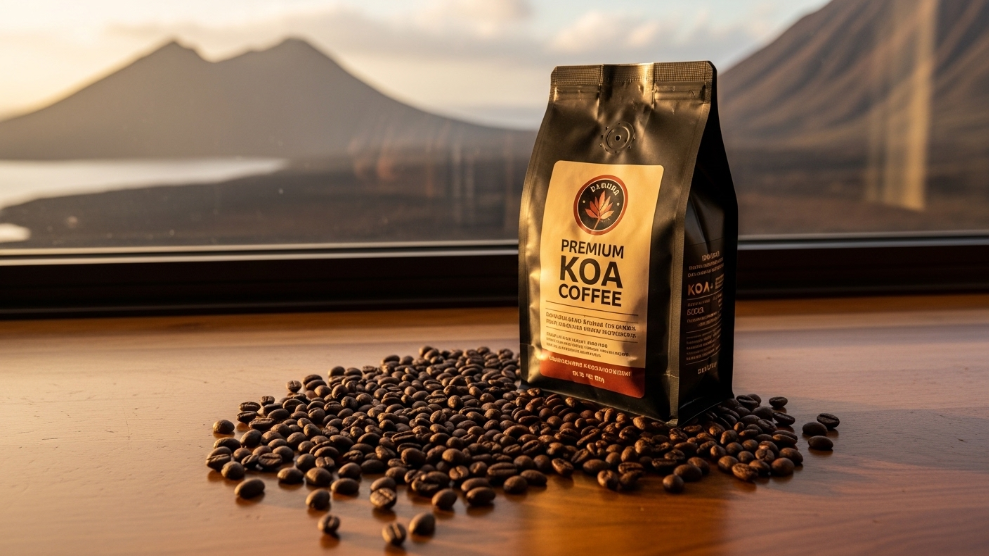
Genuine 100% Hawaiian Kona coffee is one of the most geographically protected and widely counterfeited coffees in the world. Hawaii state law permits products labelled Kona blend to contain as little as 10% actual Kona beans. Most Kona coffee sold in supermarkets and on Amazon is a blend. Koa Coffee sells exclusively 100% pure Hawaiian coffee with no blends and no compromises, verified by Hawaii Department of Agriculture certification.
This review covers what makes Koa Coffee distinct from the market of pseudo-Kona blends, whether the taste justifies the premium, and who specifically should and should not spend $40 or more per pound on it.
Table of Contents
How We Researched This Review
Review analysis: 10,368 verified Trustpilot reviews analysed as of January 2026. Amazon US verified purchaser reviews also referenced.
Taste data: Coffee Review (coffeereview.com), the leading specialty coffee rating publication, assessed Kona coffees including Hawaiian farms at the same altitude range. Results used as independent taste benchmarks.
Claims verification: Koa Coffee’s 100% Kona certification process, sourcing transparency, and award history verified from public records and their official website.
Pricing: All prices verified from koacoffee.com and confirmed affiliate sources as of May 2026.
The Kona Coffee Fraud Problem: Why It Matters
Before reviewing Koa Coffee specifically, understanding the market context is essential.
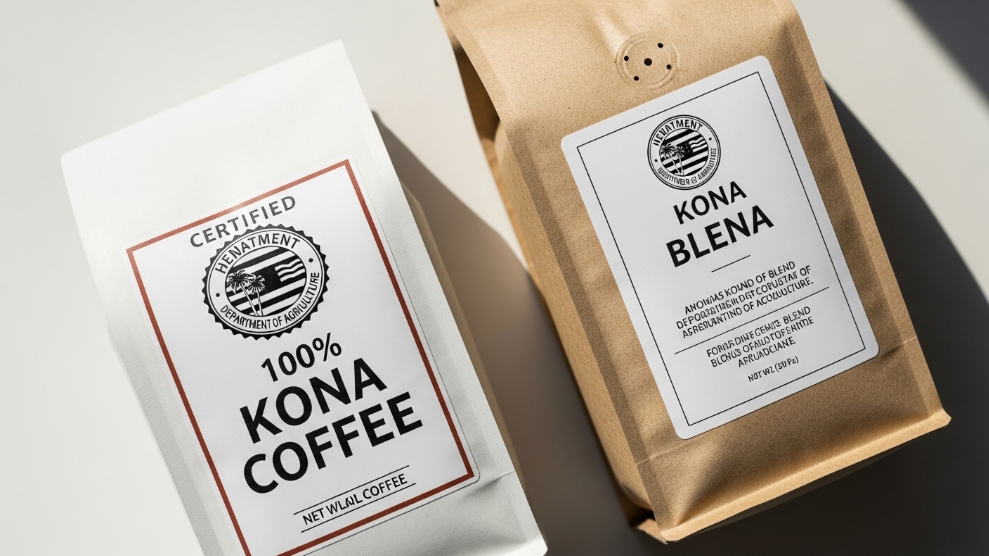
The Big Island of Hawaii produces only 2 million pounds of coffee per year. Yet Hawaii exports approximately 20 million pounds of coffee labelled as Kona annually. The mathematics make clear that most Kona-labelled coffee is not from Kona.
Hawaii state law requires only 10% actual Kona content for a product to use the Kona blend label. Most coffee sold as Kona in supermarkets, online marketplaces, and souvenir shops is 90% cheaper commodity coffee from South America or Asia. The taste, aroma, and health properties of these blends bear little resemblance to genuine 100% Kona.
☕ Free Coffee Tools
To get the best from these Hawaiian beans, brew them at the right strength with our Coffee to Water Ratio Calculator. Free download: record your cup with the Tasting Notes Template (PDF).
How Koa Coffee is different: All Koa Coffee products are certified 100% Hawaiian coffee by the Hawaii Department of Agriculture. No blends. No filler. The Kona Coffee specifically is grown exclusively in the Kona Coffee Belt on the western slopes of Mauna Loa and Hualalai volcanoes. This is the same certification and sourcing standard that makes Koa Coffee genuinely distinct from 95% of the market.
Koa Coffee At a Glance
| Detail | Information |
| Founded | 1997 |
| Origin | Big Island of Hawaii, Kona Coffee Belt |
| Altitude | Slopes of Mauna Loa and Hualalai volcanoes |
| Certification | 100% Hawaiian coffee, Hawaii Dept of Agriculture certified |
| Awards | Forbes Top 10 Coffees in the World, Gevalia Cupping Competition winner |
| Trustpilot score | 4.91 out of 5 from 10,368 verified reviews (Jan 2026) |
| Price range | $36 to $60 per pound depending on grade |
| Subscription discount | 15% off, approximately $36 per pound for Estate Medium Roast |
| Shipping | $7 flat rate domestic on orders over $39, ships primarily USA |
| Affiliate | Awin platform, merchant number 88019, 15 to 20% commission |
| Products | Kona coffee, Ka’u coffee, Waialua coffee, decaf, samplers |
| Roast to order | Yes, shipped fresh after roasting |
Check current price: Koa Coffee Official Website
Product Range
| Product | Roast | Price per pound | Notes |
| Estate Medium Roast | Medium | $40 regular / $36 subscription | Most popular. Classic Kona profile. Best starting point. |
| Peaberry Medium Roast | Medium | $50 regular / $45 subscription | Rarer bean grade. Sweeter, more concentrated flavour. |
| Grande Domaine Vienna | Dark | $46 regular / $41 subscription | Dark roast. Bold, lower acid. Popular with drip coffee drinkers. |
| Private Reserve Ka’u | Medium | $48 regular / $43 subscription | From Ka’u district, not Kona. Aromatic, brown sugar and spice. |
| Swiss Water Decaf | Medium | $48 regular / $43 subscription | Chemical-free decaf. Maintains smooth Kona profile. |
| Sampler packs | Various | Varies | Multiple roasts and origins. Best for first-time buyers. |
Taste Profile: What Verified Buyers and Critics Say

Coffee Review (coffeereview.com), the leading independent specialty coffee rating publication, assessed Hawaiian Kona coffees in January 2026. Their tasting notes for premium Big Island Kona included: dark chocolate fudge, caramel, toasted macadamia nut, dried cherry, and magnolia in the aroma and cup, with gentle acidity, plush syrupy-smooth mouthfeel, and a sweetly nutty caramel-toned finish. This profile is consistent with what Koa Coffee customers describe across their 10,368 Trustpilot reviews.
Most commonly described by verified buyers as:
- Exceptionally smooth with very low bitterness
- Gentle on the stomach, comparable to low-acid specialty coffees
- Dark chocolate, caramel, and macadamia nut flavour notes
- Clean finish with no harsh aftertaste
- Aromas of citrus and jasmine noted in lighter roast reviews
What makes Kona taste different from other coffees:
The Kona Coffee Belt receives morning sun and afternoon cloud coverage that moderates temperature during bean development. Combined with the mineral-rich volcanic soil of Mauna Loa, this creates growing conditions that produce a coffee with naturally low acidity, smooth body, and a distinctive sweetness that is genuinely different from continental origins. This is not marketing: the geographical conditions are scientifically documented and produce a measurably distinct flavour profile.
For context on how coffee growing regions affect flavour: Best Coffee Regions in the World
Peaberry vs Estate Kona: What Is the Difference?
Koa Coffee sells two main Kona grades: Estate and Peaberry. Understanding the difference helps decide which to buy.
Estate Kona: Standard coffee cherry produces two flat-sided beans per cherry (the beans face each other inside the fruit). Estate Kona uses these standard beans, which represent the majority of any harvest. This is Koa Coffee’s most popular product and the best starting point for first-time buyers.
Peaberry Kona: Approximately 3 to 5% of coffee cherries contain only one bean rather than two. This single bean develops into a smaller, rounder shape called a peaberry. Because the cherry’s nutrients go into one bean rather than two, peaberry beans are denser and often sweeter and more concentrated in flavour. Peaberry Kona is rarer and priced higher ($50 per pound). Experienced specialty coffee drinkers generally find the peaberry distinction meaningful. For first-time buyers, Estate is the more cost-effective starting point.
Pricing and Value: Honest Assessment
| Purchase type | Effective price per pound |
| Estate Medium Roast, single order | $40 per pound |
| Peaberry Kona, single order | $50 per pound |
| Estate with subscription (15% off) | Approximately $36 per pound |
| Competitor: Volcanica Kona | $40 to $60 per pound |
| Competitor: Lifeboost Coffee | $28 to $50 per pound (Nicaragua, not Hawaii) |
| Generic supermarket Kona blend (10% Kona) | $12 to $20 per pound |
Koa Coffee is expensive. $40 per pound for Estate and $50 for Peaberry places it in the upper tier of the consumer specialty coffee market globally.
Is it worth it? The honest answer depends on what you are comparing it to:
Compared to Kona blends: Absolutely worth it. A $15 Kona blend is 90% commodity coffee with 10% actual Kona. You are paying a similar price for a fundamentally different product when you buy 100% Kona.
Compared to other specialty single-origins: Less clear. An exceptional Ethiopian Yirgacheffe or Kenyan AA from a quality specialty roaster at $18 to $25 per pound offers different but equally interesting flavour at 40 to 55% of the cost. Kona’s smooth, low-acid profile is genuinely different from these origins but not objectively superior.
The subscription saves 15%: At $36 per pound on subscription, Koa Coffee becomes more accessible. The subscription can be paused or cancelled with no penalty and represents the most efficient way to buy.
Who Should Buy Koa Coffee
| Best for: Coffee enthusiasts who have wanted to try genuine Hawaiian Kona without risking a Kona blend. Buyers who prefer smooth, low-acid, low-bitterness coffee profiles. Gift buyers looking for a premium, uniquely American coffee with a strong origin story. Buyers who have tried Kona in Hawaii and want to recreate the experience at home. |
| Not the best choice for: Buyers who want the most complex, interesting cup per dollar. Everyday drinkers who want a large volume of quality coffee at reasonable cost. Buyers who enjoy the bright acidity and fruit-forward character of Ethiopian or Kenyan specialty coffees. |
UK, Australia and New Zealand Availability
Koa Coffee ships primarily within the USA with $7 flat rate domestic shipping on orders over $39. International shipping to the UK, Australia, and New Zealand is not standard and varies by period.
For UK, Australian, and New Zealand buyers who want to experience Hawaiian Kona:
- Check koacoffee.com directly for current international shipping options
- Hawaii Coffee Company is another 100% Kona brand that occasionally ships internationally: check hawaiicoffeecompany.com for current shipping options
- Atlas Coffee Club occasionally features Hawaiian origin coffees in their monthly rotation and ships to UK, AU, and NZ
For UK, AU, and NZ buyers who want premium specialty coffee at more accessible pricing, our subscription guide covers all internationally-shipping options: Best Coffee Subscriptions 2026
Brewing Koa Coffee: Best Methods
Kona’s smooth, low-acid, sweet profile responds well to methods that preserve its natural character without adding bitterness.
Pour-over (V60 or Chemex): The best method for appreciating Kona’s subtle chocolate and caramel notes. Use a 1:16 ratio, 93 to 94 degrees Celsius water, and a medium grind. The clean cup clarity of pour-over suits Kona’s delicate sweetness. Full guide: Pour-Over Coffee Complete Guide
Cold brew: An outstanding combination. Kona’s already-low acidity drops further with cold extraction. The resulting cold brew has a silky, chocolate-caramel sweetness that rivals any commercial cold brew. Use the Estate Medium or Grande Domaine Vienna at a 1:8 ratio and steep 18 hours. Full guide: Cold Brew Coffee Complete Guide
Drip coffee: Works well, particularly with medium or dark roast. Kona’s smoothness translates directly to drip brewing.
Espresso: Less common but the Espresso Roast is specifically designed for this. The smooth, low-bitter profile makes for an unusual but pleasant espresso, particularly in milk drinks.
Frequently Asked Questions
Is Koa Coffee 100% Kona coffee?
Yes. All Koa Coffee products are certified 100% Hawaiian coffee by the Hawaii Department of Agriculture. Their Kona range is 100% from the Kona Coffee Belt with no blends. This certification is verifiable and is the primary reason to choose Koa over cheaper Kona-labelled alternatives on the market.
Why is Kona coffee so expensive?
The Kona Coffee Belt is approximately 20 miles long and 2 miles wide on the Big Island of Hawaii. The total growing area is tiny by world standards. Hawaii also has very high labour costs compared to other coffee-producing countries. Small acreage and high wages combine to produce some of the highest per-pound costs in coffee globally. Genuine 100% Kona commands premium prices because the supply is genuinely limited.
How does Kona coffee taste compared to specialty coffees from Ethiopia or Kenya?
Kona is smooth, low-acid, and dessert-sweet with chocolate and macadamia nut notes. Ethiopian and Kenyan specialty coffees are typically brighter, more acidic, and more fruit-forward. Kona has a gentler, more approachable profile that suits buyers who find Ethiopian brightness too sharp. Both are excellent coffees but they are distinctly different experiences. For full origin comparison: Best Coffee Regions in the World
What is the difference between Kona and Ka’u coffee?
Both are grown on the Big Island of Hawaii but in different districts. Kona is grown on the western slopes of Mauna Loa and Hualalai in the Kona district. Ka’u is grown in the Ka’u district further south at higher altitude. Ka’u coffees are gaining international recognition and are generally slightly more acidic and fruit-forward than Kona. Koa Coffee’s Private Reserve Ka’u is described as having aromatic complexity with brown sugar and spice notes that differ from their Kona range.
Is Koa Coffee worth it as a gift?
Yes, for coffee drinkers. Koa Coffee is one of the strongest gift options in the specialty coffee market because of its strong story (Hawaii, volcanic slopes, generational farming), the Forbes and Gevalia awards, and the unambiguous quality assurance of 100% certification. The sampler packs that include multiple roasts or origins make particularly good gifts for buyers who have not tried Hawaiian coffee before.
How should I store Koa Coffee after it arrives?
Whole bean in an airtight, opaque container at room temperature, away from heat sources, light, and moisture. Do not refrigerate. Grind immediately before brewing. The peak freshness window for Kona is 7 to 21 days after the roast date. Koa Coffee roasts to order, so beans typically arrive 2 to 4 days post-roast. Full storage guide: How to Store Coffee Beans
Our Verdict
Koa Coffee earns its place as the most trusted 100% Hawaiian Kona brand available. A 4.91 out of 5 Trustpilot score from 10,368 verified reviews is exceptional by any standard. The Forbes Top 10 recognition and Gevalia Cupping Competition awards are verifiable credentials that most coffee brands cannot match.
The taste is genuinely distinctive. Kona coffee grown on Hawaiian volcanic soil with Koa’s hand-picking and roast-to-order process produces a smooth, sweet, low-acid cup that is unlike any continental origin. If you have wondered what genuine Hawaiian Kona tastes like after encountering Kona blends at the supermarket, Koa Coffee is the correct introduction.
At $36 per pound on subscription, it is expensive. The value proposition is strongest for buyers who specifically want authentic Hawaiian origin, verified provenance, and the smooth low-acid profile that Kona naturally delivers. For everyday specialty coffee volume at lower cost, our subscription guide offers alternatives: Best Coffee Subscriptions 2026
Check current price and first order discount: Koa Coffee Official Website Also compare: Lifeboost Coffee Review 2026 | Volcanica Coffee Review 2026 (coming soon)
Sources: Trustpilot verified reviews for Koa Coffee / Coffee Review Hawaii coffee ratings Jan 2026 / Best Brands HQ Best Hawaiian Coffee Brands 2026 / Koa Coffee official website / Hawaii Department of Agriculture / Kona Coffee certification

Munir Ahmed is the founder of Coffee Craft Guide, dedicated to building the most thorough and honest coffee resource for home brewers worldwide. Combining SCA brewing standards with deep-dive research across global coffee communities (like r/espresso and Home-Barista) and thousands of verified reviews, Munir and his team deliver data-backed, expert coffee insights you can trust.